CANTERBURY CATHEDRAL:
DIGITAL TWINS,
SACRED SPACES &
HERITAGE ASSETS
A one-day executive summit within the grounds of Canterbury Cathedral — a UNESCO World Heritage Site — exploring how geospatial technologies are transforming the management of heritage assets and historic infrastructure.
Event Overview
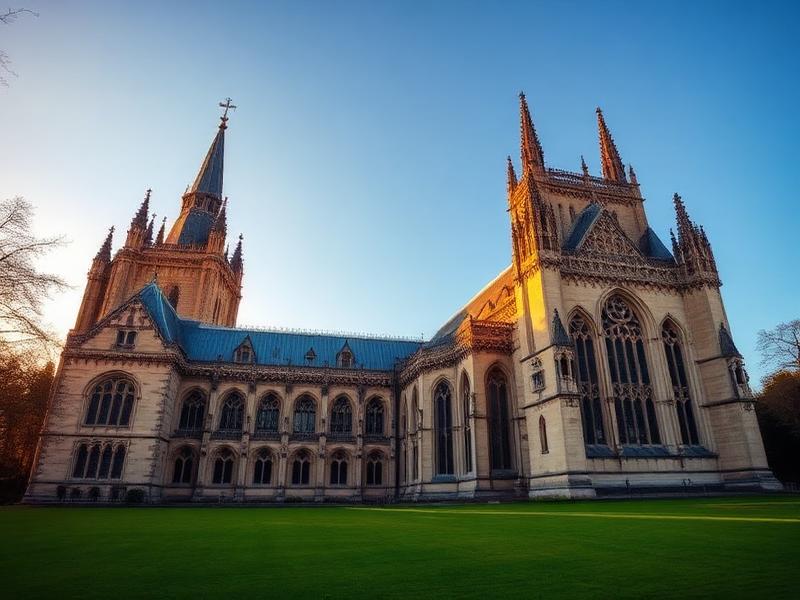
For more than 1,400 years, Canterbury Cathedral has stood at the center of English religious, cultural, and architectural history. Today, it also represents one of the world's most compelling examples of how historic assets must balance preservation, stewardship, visitor experience, sustainability, and long-term maintenance.
As governments, churches, universities, museums, and heritage organizations face increasing pressure to protect aging assets while managing limited resources, digital twins and geospatial technologies are emerging as critical tools for informed decision-making.
Hosted within the grounds of Canterbury Cathedral at Canterbury Cathedral Lodge, this executive summit explores how GIS, LiDAR, reality capture, BIM, AI, digital twins, and spatial computing are transforming the management of heritage assets and historic infrastructure. The venue itself sits within the UNESCO World Heritage Site and offers dedicated conference facilities including a 200-seat auditorium and meeting spaces overlooking the Cathedral.
Participants will explore how the same technologies used to manage airports, transportation networks, utilities, and smart cities can help preserve cathedrals, castles, museums, universities, and historic civic buildings for future generations.
Venue
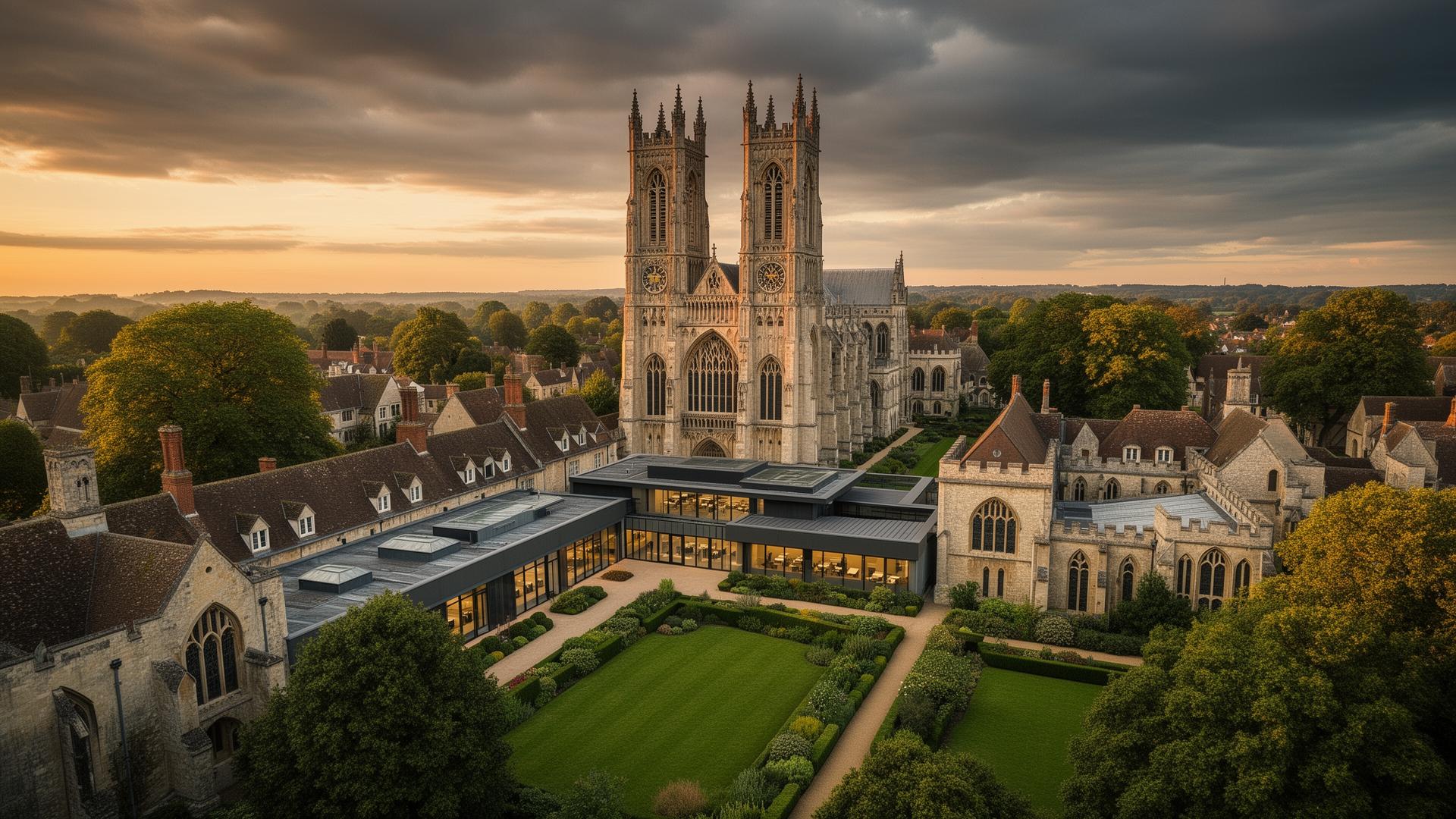
Canterbury Cathedral Lodge
Set within the UNESCO World Heritage Site of Canterbury Cathedral, the Lodge offers modern conference facilities alongside one of Britain's most significant medieval landmarks. Delegates will meet in a 200-seat auditorium and breakout spaces with views directly onto the Cathedral precincts.
The historic Refectory provides an elegant setting for lunch, while the Cathedral precincts themselves become a living classroom during the afternoon geospatial field experience.
Visit Venue WebsiteWho Should Attend
Agenda
- 8:00 AM
Registration & Networking Breakfast
Delegates arrive at Canterbury Cathedral Lodge for breakfast overlooking the Cathedral precincts.
- 9:00 AM
Opening Keynote — Managing History as Critical Infrastructure
Why heritage sites must increasingly be managed as long-term strategic assets rather than simply historic attractions.
- Asset lifecycle management
- Infrastructure resilience
- Climate adaptation
- Visitor management
- Funding and stewardship
- Long-term preservation strategies
- 9:45 AM
Executive Leadership Panel — What Every Cathedral, Museum and Historic Site Can Learn from Modern Asset Management
A discussion between heritage leaders, public sector asset managers, geospatial experts and digital twin practitioners.
- Condition monitoring
- Risk assessment
- Capital planning
- Operational efficiency
- Data governance
- Digital continuity
- 10:45 AM
Refreshment Break
- 11:15 AM
Featured Case Study — Canterbury Cathedral: Preserving 1,400 Years of History in the Digital Age
An exploration of how digital documentation and modern asset management practices can support the ongoing preservation of one of Britain's most important cultural landmarks.
- Reality capture
- Laser scanning
- LiDAR
- Heritage BIM (HBIM)
- Digital archives
- Structural monitoring
- Asset inventories
- Conservation planning
- 12:15 PM
Lunch in the Refectory
Networking lunch overlooking the Cathedral grounds.
- 1:30 PM
Global Heritage Session — Building Digital Twins of the World's Most Important Places
International case studies featuring cathedrals, castles, historic universities, UNESCO World Heritage Sites, national monuments and government heritage estates.
- 2:30 PM
Technology Showcase — The Heritage Digital Twin Technology Stack
How organizations are combining multiple technologies to create living digital records of historic places.
- GIS
- LiDAR
- Mobile Mapping
- Drone Mapping
- Photogrammetry
- BIM and HBIM
- Artificial Intelligence
- Digital Twins
- Extended Reality (XR)
- Spatial Computing
- 3:30 PM
Afternoon Break
- 4:00 PM
Future Vision Session — From Preservation to Prediction
How AI-enabled digital twins will help heritage organizations:
- Predict deterioration
- Prioritize maintenance
- Improve visitor flow
- Model restoration scenarios
- Reduce operational costs
- Improve climate resilience
- 5:00 PM
Cathedral Geospatial Experience — Canterbury Cathedral Digital Heritage Walk
A guided field experience through the Cathedral precincts examining how geospatial technologies can support preservation and asset management.
- Cathedral architecture through time
- Digital documentation opportunities
- Reality capture techniques
- LiDAR and photogrammetry applications
- Historic asset inventories
- Digital twin development concepts
- Visitor experience technologies
- 6:30 PM
Cathedral Precinct Reception — Preserving the Built Heritage of Future Generations
An evening reception within the Cathedral precincts bringing together leaders from heritage, government, geospatial technology, architecture, engineering and conservation.
"The future of heritage preservation will be driven by data. Just as modern cities increasingly rely on digital twins to manage transportation, utilities, and infrastructure, cultural institutions are beginning to create living digital models of their most valuable assets. Canterbury Cathedral provides a powerful example of how centuries-old landmarks can benefit from the latest advances in GIS, reality capture, AI, and digital twin technology while preserving their historic significance for generations to come."